All Categories
Featured
Table of Contents
- – How To Link Your Practice Software With Dental...
- – The Overlooked Growth Lever: Dental Answering ...
- – Dental Clinic Management Made Easy: Tools, Ap...
- – 2025 Trends In Dental Practice Management You...
- – The Secret To Better Patient Retention: Dent...
- – Manage Appointments, Billing, And Patient Fl...
Operating a modern dental clinic takes more than dentistry expertise. Top dental clinics rely on integrated software that connect admin, finance, and communication. Let’s unpack the tools, systems, and strategies that keep dental teams productive — from practice management software to billing automation and patient communication.
Not long ago, many dental offices relied on spreadsheets and paper files to book patients and track billing. It used to be manageable, but today’s patient volume and compliance demands are higher. Insurance processing have evolved dramatically. This is why practice management software makes or breaks clinic efficiency.
How To Link Your Practice Software With Dental Answering Services For More Leads
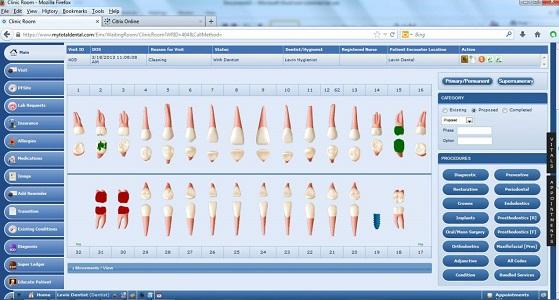
Practice management platforms are the operational heart of any clinic. They combine scheduling, charting, billing, and reporting into a centralized interface. Instead of juggling multiple systems, staff can view appointments, treatment plans, and payments all in one place. The impact is happier patients and more consistent cash flow.
Why some practice systems outperform others is the ability to centralize and interpret data. Consider this scenario, when patient reminders link to scheduling analytics, data entry and mistakes drop by half. Reports generated by good software reveal bottlenecks and missed revenue opportunities. This level of visibility empowers better business decisions.
Selecting software that fits your clinic depends on practice type and growth stage. Dentrix by Henry Schein is widely used with comprehensive features for treatment planning, imaging, and analytics. Eaglesoft software is strong in radiography integration. Open Dental offers flexibility and affordability. The cloud-based system Curve Dental is ideal for practices that want access anywhere. Each has strengths and quirks. Run short trials with your team and have staff test common scenarios. Staff comfort will make or break the implementation.
Training and onboarding are underestimated when new systems roll out. Technology only works if workflows match user habits. Designate a tech lead who can train others and maintain consistency. Review reports together to see how adoption is progressing. An hour each week builds culture around technology use.
The Overlooked Growth Lever: Dental Answering Services + Smart Scheduling
Patient scheduling systems have transformed dramatically. Smart booking engines now text reminders to patients with two-way SMS integration. Current tools automatically prevent double-booking. Efficient scheduling increase provider productivity. Forward-thinking clinics enable web booking, letting new visitors schedule from their phones. The result is less phone time for reception.
Another underrated feature of advanced scheduling tools is data tracking. You can measure peak hours, cancellation rates, and rebooking patterns. Such metrics inform pricing and promotions. Say you notice Wednesday afternoons have high cancellations, it gives you control, not guesswork.
Billing and insurance workflows form the backbone of cash flow. Handling claims by hand costs valuable hours. Automated claim submission help reduce denials. Modern tools check coverage before treatment, meaning fewer surprises for patients. Payment plans and automatic reminders boost on-time payments. Tracking claim acceptance rates stops small issues from compounding.
Dental Clinic Management Made Easy: Tools, Apps, And Automation Tips
Many growing dental offices also adopt revenue analytics tools. These link payments, expenses, and insurance data. With proper tagging, reports update daily. You’ll know which procedures are most profitable. Financial clarity like that makes forecasting accurate.
Marketing is where practice management meets growth. Competition has gone digital. Strong local SEO bring in high-value cases. Claim and enhance your Google listing, encourage real patient reviews, and create “service + suburb” landing pages. Patient-friendly content that explain procedures simply feed your marketing funnel.
CRM-linked email and SMS campaigns now play a huge role. Tools integrated with your practice software keep your clinic top of mind. Campaigns can target missed appointments. This personal touch turns one-time visits into long-term loyalty.
2025 Trends In Dental Practice Management You Need To Know
PPC and remarketing complement your organic strategy. Target by suburb for keywords like “dentist near me”. Retarget past website visitors. Offer free consults or checkups to turn browsers into bookings.
A major gap in many clinics is the outsourced reception system. No matter how advanced your PPM, missed calls still mean missed patients. Trained call teams ensure every inquiry is captured. They integrate with most PPM systems. This is especially valuable for emergencies and new patient calls after hours. Teams that outsource overflow calls grow new patient intake by double digits. Cross-linking blog posts about emergency call coverage strengthens SEO and conversion flow.
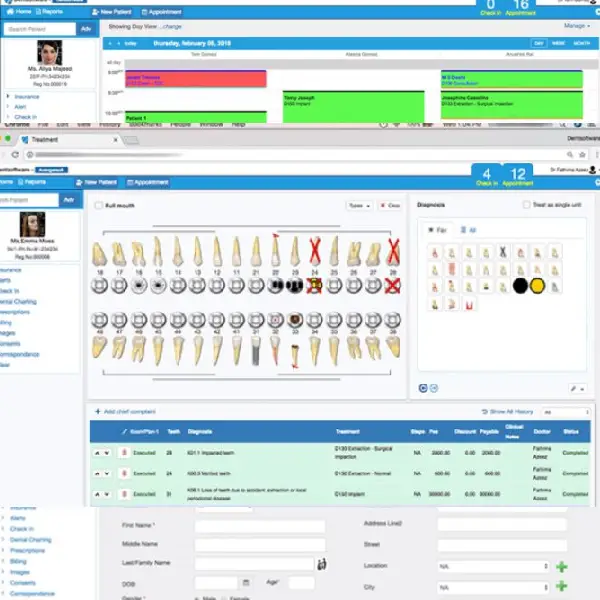
After integrating operations and marketing, you start seeing real leverage. Integrated systems cut manual tasks, while ongoing marketing keeps new patients coming. Day to day, this means fewer no-shows, faster payments, and happier patients.
The Secret To Better Patient Retention: Dental Answering Service Integration
A proven sequence looks like this:Select your main PPM. Test it thoroughly before full rollout.Set up messaging automation. Appointment confirmations, recalls, and feedback requests maintain engagement.Digitize finance. Use ERA and online payments.4. Build your marketing flywheel. Drive authority and conversions together.Iterate quarterly. Trends in reviews or ad cost keep you improving.Keep evolving your systems. Patient expectations will rise, so build a culture that embraces adaptation.
A future-ready clinic depends on structure, not chaos. When software, staff, and strategy work together, you create a truly modern practice.
Manage Appointments, Billing, And Patient Flow Like A Pro
Learn more about improving call handling and workflow automation here.

Table of Contents
- – How To Link Your Practice Software With Dental...
- – The Overlooked Growth Lever: Dental Answering ...
- – Dental Clinic Management Made Easy: Tools, Ap...
- – 2025 Trends In Dental Practice Management You...
- – The Secret To Better Patient Retention: Dent...
- – Manage Appointments, Billing, And Patient Fl...
Latest Posts
2025 Trends In Dental Practice Management You Need To Know
Billing Systems Every Dental Practice Should Be Using In 2025
What Is Dental Practice Management Software (And Why It Matters In 2025)?
More
Latest Posts
2025 Trends In Dental Practice Management You Need To Know
Billing Systems Every Dental Practice Should Be Using In 2025
What Is Dental Practice Management Software (And Why It Matters In 2025)?